Nagano Prefecture — Where Alpine Symphonies, Ancient Temples and Mountain Blessings Echo Through Four Seasons

Kami-kouchi Nagano Prefecture
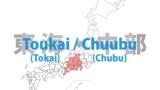
Nagano Prefecture lies near the center of the Japanese archipelago, far from the sea and surrounded on all sides by mountains.
Much of the land is covered by forests, and valleys open only in small, scattered intervals. This geography has quietly shaped how people live, move, and observe the passing of time.
In Nagano, seasons do not change abruptly. Winter lingers, spring arrives slowly, and the air often feels clearer than expected. Such conditions have influenced not only agriculture and industry, but also a way of sensing nature—watching, waiting, and accepting what comes rather than forcing change.
Landscapes and Places That Hold Time
Many of Japan’s most recognizable inland landscapes are found here.
Kamikouchi stretches beneath the Northern Alps(Hida Mountains), where clear rivers and wetlands form a scene long regarded as an ideal image of Japan’s mountain nature.
Karuizawa developed as a highland retreat, a place where distance from the city made room for reflection and quiet thought.

Kyuu-Karuizawa Ginza
In Shiga Kougen, forests, marshes, and lakes reveal the rhythm of the seasons with particular clarity.

Shiga Kougen
History is also preserved in built form.
The dark silhouette of Matsumoto jyou(Castle) recalls a castle town shaped by craftsmanship and learning, while Zenkouji Temple has long welcomed people across sects and regions, serving as a spiritual crossroads rather than a closed sanctuary.

Matsumoto jyou(Castle)

Zenkouji
Snow is another constant presence.
Nozawa Onsen is known not only for its hot springs, but also for one of the longest ski courses on Honshu. In this town, daily life and snowy slopes exist side by side.
The 1998 Nagano Winter Olympics brought global attention to the region, and ski areas such as Hakuba Happoone became internationally recognized winter resorts.
Here, mountains are not something to conquer, but something to move with.

Nozawa Onsen

Hakuba Village Nagano Olympic Game, Ski Jumping Stadium
Food Born of Mountain Conditions
Nagano’s food culture reflects the realities of inland life.
While ordinary rice remains the staple grain, it was never the sole foundation of daily meals. Soba(buckwheat) thrived in the cool climate, giving rise to what is now known as Shinshu soba. Its flavor depends not only on technique, but on temperature differences and clean water.

Nagano Prefecture, Shinshuu Soba field

Nagano Prefecture, Shinshuu(Togakushi) Soba
Fruit cultivation also plays a role, and apples are among the prefecture’s best-known products. Their success owes much to cold-weather farming and careful storage practices developed over generations.

Nagano Prefecture, Apple with Chuuou Alps
Fermented foods, especially miso, occupy an essential place. Often grouped together as “Shinshu miso,” these varieties differ subtly from region to region in salt content and aging time.

Nagano Prefecture, Shinshuu miso

Nagano Prefecture, Gohei mochi(Mochi grilled with Shinshu miso)
Pickled vegetables such as nozawana emerged from the need to endure long winters, blending preservation with everyday taste.
Forests have supported woodworking traditions, while abundant spring water has made possible precision manufacturing, including clocks and measuring instruments. In Nagano, natural conditions have consistently encouraged careful, attentive work.
Songs That Echo the Inland Landscape
Nagano is closely connected to the world of Japanese nursery rhymes and art songs, not through a single piece, but through a shared sensibility.
Soushunfu expresses the quiet anticipation of seasonal change, evoking landscapes where snow and new growth coexist.
Kaasan no Uta carries a gentle gaze toward family life, often associated with small communities surrounded by nature.
Lyricist Tatsuyuki Takano, born in present-day Nakano City, left a lasting mark on this tradition.
His works—including Oboro zukiyo, Momiji, and Haru ga Kita—consistently reflect an awareness of seasonal rhythm and distant horizons.
Among them, Furusato stands out as one of Japan’s most widely known songs. Its epic, place-unspecified structure and nostalgic melody invite listeners to recall a shared image of the Japanese homeland. Precisely because no location is named, inland landscapes like those of Nagano often find a natural place within the listener’s imagination.

The Scene from ‘Furusato’
Shinshuu as a Place of Pause
Beyond scenery, Shinshuu has long offered places where thought could slow down.
Across its highlands and mountain towns, writers, artists, and intellectuals found distance from urban life, using clear air and quiet rhythms not as escape, but as space for reflection.
Within this wider landscape, certain locations came to hold particular meaning. The historic Manpei Hotel in Karuizawa, where John Lennon once stayed, hints at how Shinshu has quietly received sensibilities from beyond Japan, without losing its own calm or character.

Manpei Hotel (Karuizawa), By 663highland – Own work, CC BY 2.5, Link
Mountains encourage looking far ahead while remaining aware of one’s footing.
In Nagano, clear water, waiting seasons, and unspoken emotions have gradually shaped food, industry, and song. The mountains remain, and along their contours, daily life and quiet sensibilities continue to accumulate.

Nagano Omiyage (Souvenir)
⚠️ NOTE
Links below go to Amazon search results. Some items may be made outside Japan. Please check the product page—especially the “Made in Japan” label.
Shichimi Chili Pepper from a Long-Established Maker

Shichimi togarashi is a spice used throughout Japan. Founded in 1736, this well-known maker represents a long tradition of balanced aroma and heat refined over centuries.
Shinshu Light & Dry Rice Miso

Made from rice koji and soybeans, this miso reflects Shinshu’s climate and water. Its clean, dry finish pairs naturally with everyday dishes such as soups, vegetables, and fish.
Authentic Japanese 100% Buckwheat Jyuwari Soba
This soba is made entirely from buckwheat flour, without wheat. The result is a clear aroma, firm texture, and a naturally wholesome character long valued in Shinshu.
Hinoki Wood with Natural Antibacterial Properties

Hinoki cypress has been used in Japanese daily life for generations. Its fresh scent and natural resistance to mold and bacteria make it well suited for practical tools.
Shinshu Apple Flavor Chewy Candy

This chewy soft candy gained popularity across the U.S. through MLB. The Shinshu apple flavor adds a crisp aroma and gentle acidity to its distinctive texture.
Wooden Music Box with Sankyo Movement

The Suwa area of Nagano was once known for precision engineering. Many wooden music boxes sold worldwide use movements by Sankyo, the global leader in music box manufacturing.