About Japan

Lyricist

Introduces wonderful Japanese nursery rhyme lyricists. Please have a look.*More lyricists will be introduced in the future.
Across the Seasons

Mura no kajiya – 村の鍛冶屋

Shibashi mo yasumanzu tsuchi utsu hibiki" Discover the hardworking 'Mura no Kajiya'. Learn its lyrics, Roman readings, and English translations, depicting a village blacksmith.
Other Specials

Kisha poppo – 汽車ポッポ

"Kisha Kisha poppo poppo" Discover the joyful world of "Kisha Poppo"! Explore its cheerful tune and fascinating history as a children's song. Click to learn more!
Ad
Across the Seasons

Furusato (1914) – ふるさと

"Usagi oishi kano yama" Experience the nostalgic 'Furusato'. Learn its lyrics, Roman readings, and English translations, reflecting on one's hometown. This song is the evergreen that represents Japan.
Composer

YAMADA Kousaku – 山田耕筰

YAMADA Kousaku (1886-1965) was a pioneering Japanese composer and conductor who greatly influenced modern Japanese music. He founded Japan's first symphony orchestra and composed a wide range of works, including operas, songs, and children's music.
Mid Autumn Songs

Kakashi (1911) – かかし

"Yamada no naka no ippon ashi no kakashi" - Discover the deeper meaning behind the Japanese song "Kakashi." Explore its lyrics, Romanized readings, and English translations, unveiling the cultural and spiritual symbolism of the scarecrow in Japan’s agricultural heritage.
Mid Autumn Songs

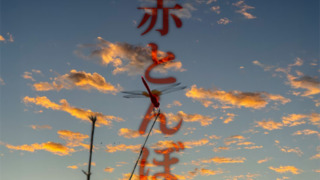
Aka tombo (1927) – 赤とんぼ

"Yuuyake koyake no aka tombo" - Explore the nostalgic 'Akatombo'. Discover its lyrics, Roman readings, and English translations, reflecting on red dragonflies and childhood memories.
Early Autumn Songs

Chiisai aki mitsuketa (1955) – ちいさい秋みつけた

"Darekasan ga darekasan ga darekasan ga mitsuketa" Discover the small signs of autumn with 'Chiisai Aki Mitsuketa'. Explore its lyrics, Roman readings, and English translations, capturing the subtle changes of fall.
Early Autumn Songs

Yuuyake koyake (1923) – 夕焼小焼

"Yuuyake koyake de higa kure te" - Experience the serene beauty of 'Yuyake Koyake'. Learn its lyrics, Roman readings, and English translations, depicting the evening glow.
Early Autumn Songs

Jyuugoya otsukisan (1920) – 十五夜お月さん

"Juugoya" is said to be "the night to appreciate the harvest" in Japan, and there is a custom to celebrate while looking at the moon since ancient times."Otsuki-san" is used when referring to the moon in a friendly way.
Late Summer Songs

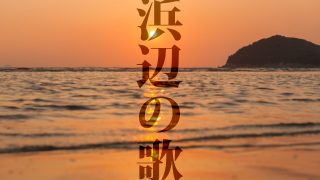
Hamabe no uta ( 1916 ) – 浜辺の歌

"Ashita hamabe wo samayoeba" - Listening to "Song of the Beach" is a sentimental experience. See the lyrics, Roman readings, and English translations that capture the serene beauty of the beach.
Late Autumn Songs

Sato no aki – 里の秋

"Shizuka na shizuka na sato no aki" Experience the tranquility of 'Sato no Aki'. Discover its lyrics, Roman readings, and English translations, depicting the quiet beauty of autumn in the countryside.
Mid Autumn Songs

Mura matsuri – 村祭

"Mura no chinjyu no kamisama no" Experience the festive spirit of 'Mura Matsuri'. Learn its lyrics, Roman readings, and English translations, celebrating the village festival.
Lyricist

NOGUCHI Ujyou – 野口雨情

NOGUCHI Ujyou (1882-1945) was a renowned Japanese poet known for his contributions to children's songs. Despite personal and financial hardships, he created timeless works such as "Jūgoya Otsukisan," "Nanatsu no Ko," and "Shabon dama." His gentle language and emotional depth capture the beauty in everyday life, making his songs cherished pieces of Japan's cultural heritage.
Other Specials

Omatsuri mambo – お祭りマンボ

"Watashi no tonari no ojisan wa" - A typical Japanese festival song that lifts the mood. The song's tune and tempo are perfectly suited to the rhythm of the festival, and the lyrics are delivered in romaji and English translation.
Ad